The global agricultural landscape is at a critical juncture. Faced with mounting pressures from climate change, rising operational costs, and increasing consumer demand for ethical and sustainable food production, the traditional methods of livestock farming are proving insufficient. A revolution is needed, and it is being led by innovative Ag-Tech companies. At the forefront of this transformation is Trackfarm, a South Korean pioneer that is redefining smart pig farming through the power of Artificial Intelligence and the Internet of Things (IoT).
Trackfarm is not just a technology provider; it is a partner in progress, offering a comprehensive solution that moves farming from reactive management to predictive intelligence. Born from the demanding, high-tech environment of Korea, the company has successfully proven its model in one of the world’s most competitive markets and is now poised for a massive global expansion, promising a new era of efficiency, welfare, and sustainability for pig farmers worldwide.
The Digital Transformation of the Piggery: AI and IoT at the Core
The foundation of Trackfarm’s success lies in its sophisticated integration of hardware and software. Traditional pig farming relies heavily on manual observation, which is inherently subjective and prone to delays in identifying issues. Trackfarm replaces this with a continuous, objective stream of data, creating a “digital twin” of the farm environment.
Precision Monitoring: The Eyes and Ears of the System
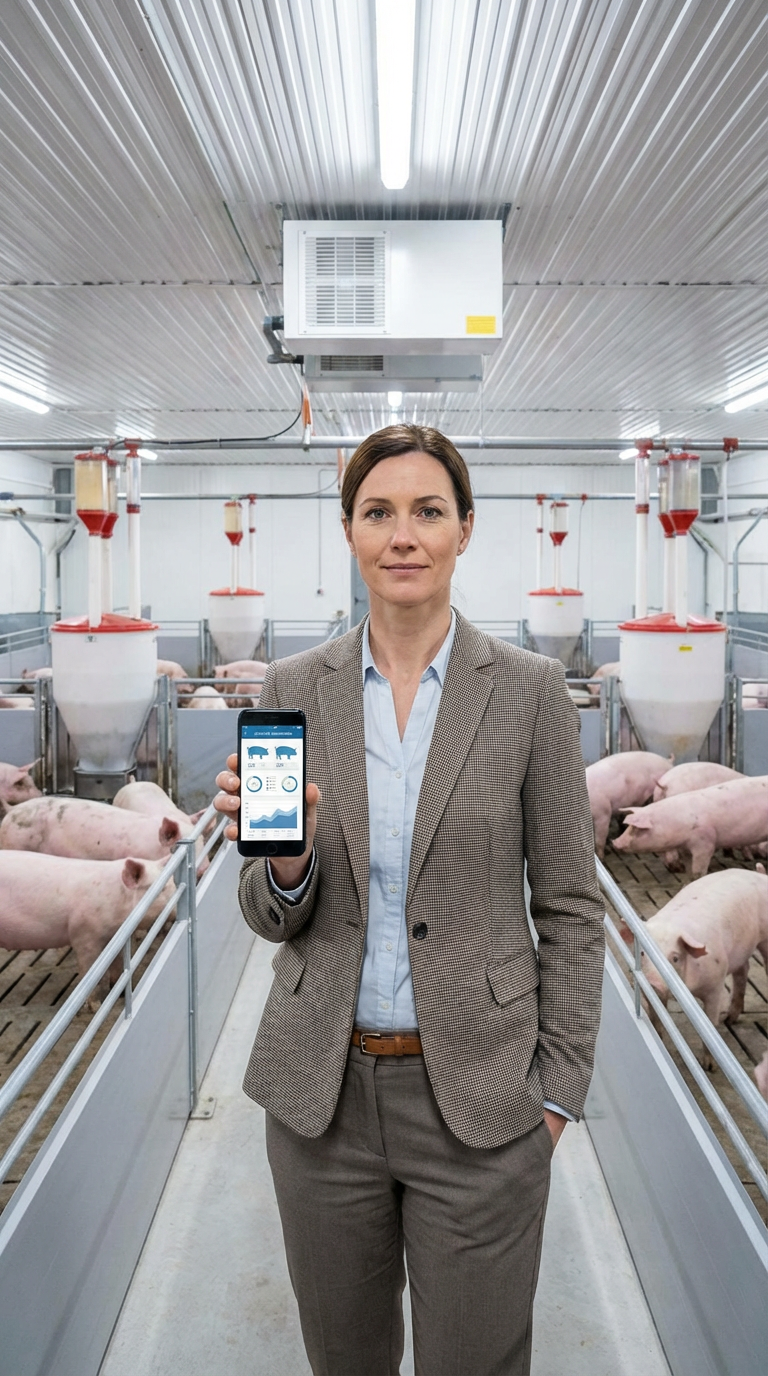
The system employs a network of non-invasive sensors strategically placed throughout the barns. These sensors collect a vast array of data points, including:
- Environmental Metrics: Temperature, humidity, air quality (ammonia, CO2 levels), and ventilation efficiency.
- Animal Behavior: Real-time tracking of movement, feeding patterns, drinking habits, and resting times using advanced computer vision and acoustic analysis.
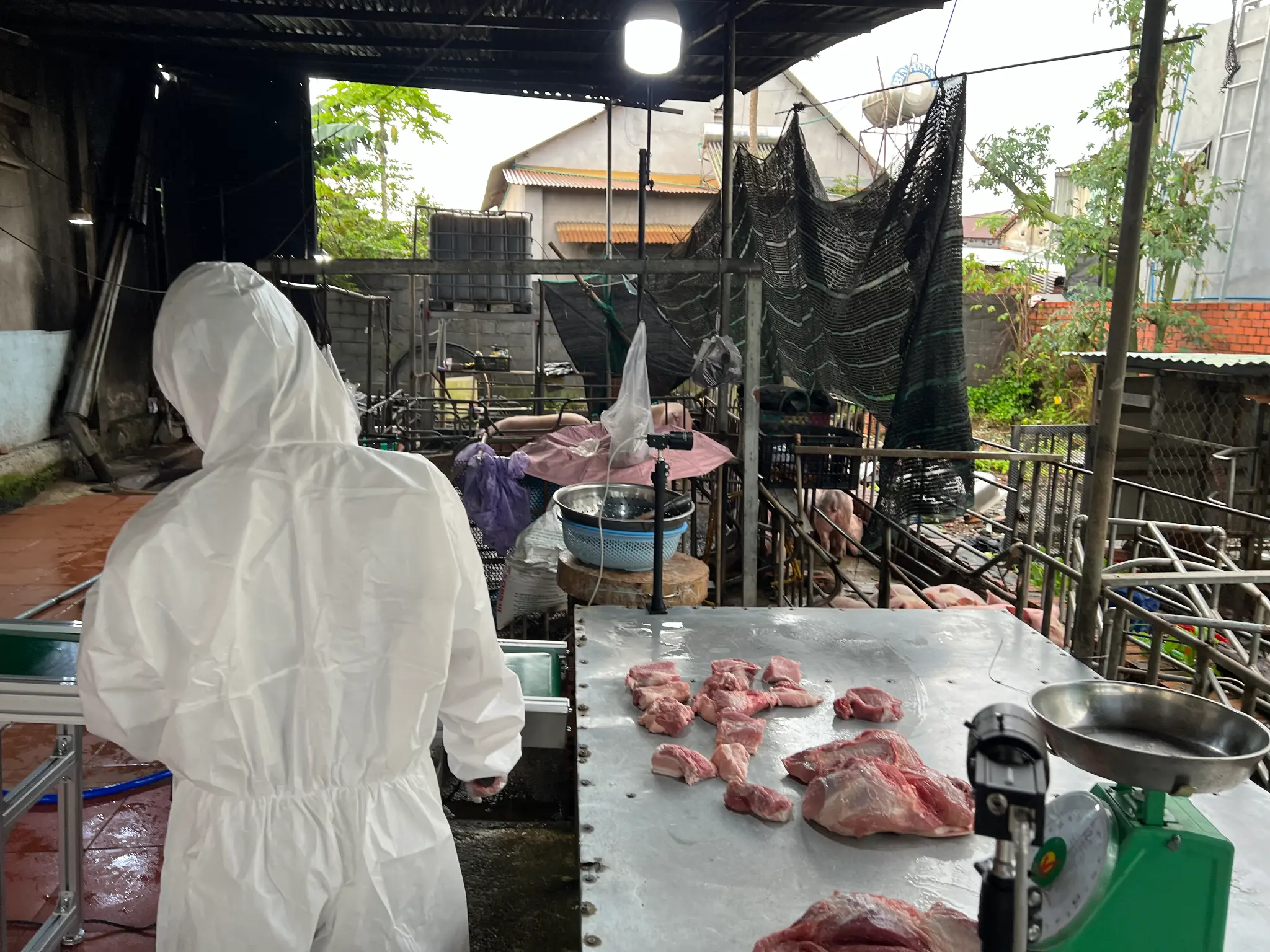
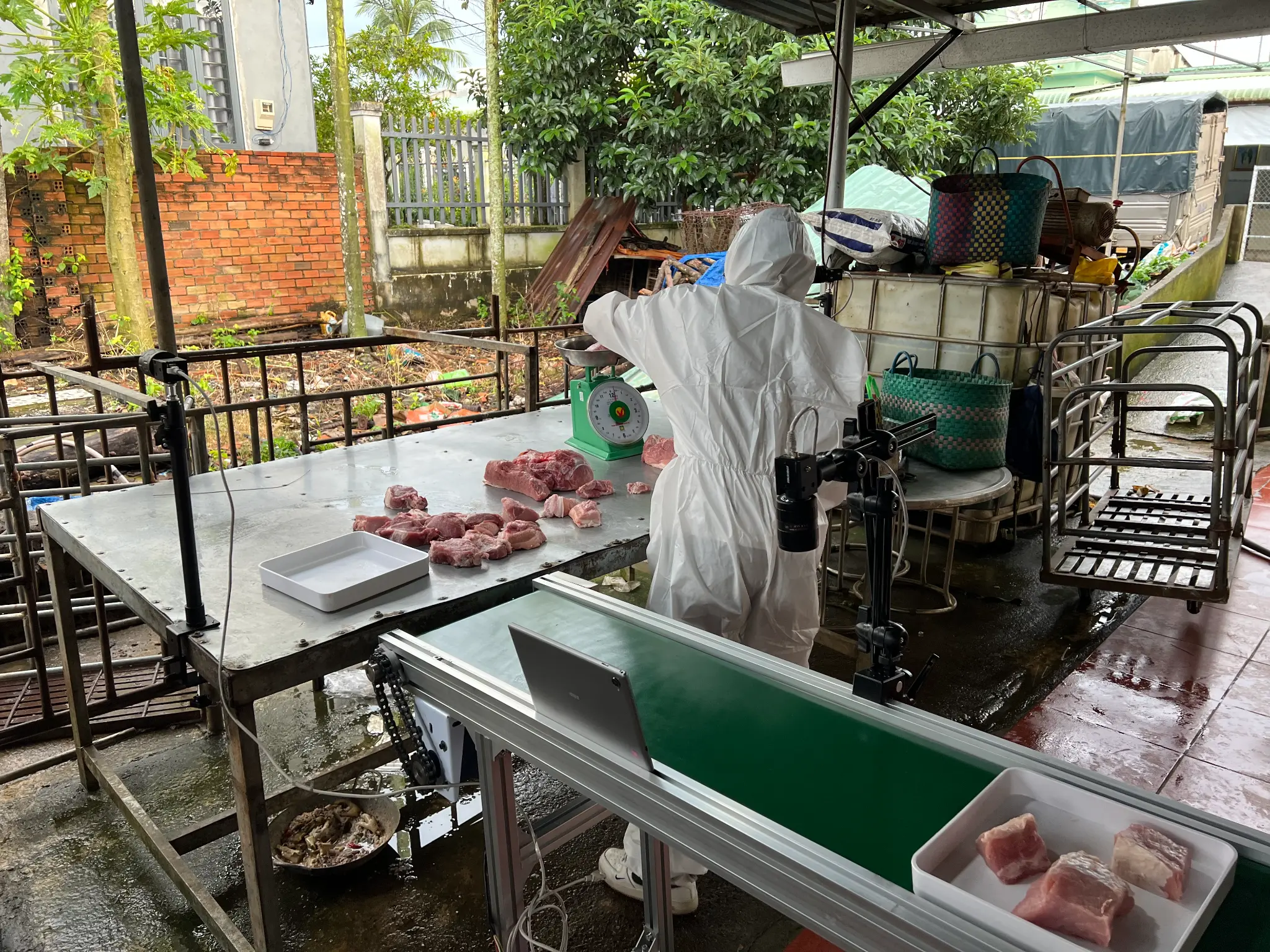
- Physiological Indicators: Monitoring of individual animal growth rates and weight estimation without the need for stressful manual handling.
This constant data flow is the lifeblood of the Trackfarm platform. It allows for the detection of subtle anomalies that would be invisible to the human eye, often days before a problem manifests into a full-blown crisis.
The Predictive Power of the Trackfarm AI Engine
The true genius of Trackfarm is its proprietary AI engine. This machine learning model processes the terabytes of sensor data, identifying complex patterns and correlations that predict outcomes.
Early Disease Detection: The AI can spot the earliest signs of respiratory illness or digestive issues by analyzing changes in a pig’s cough frequency, movement lethargy, or reduced feed intake. This predictive capability allows farmers to isolate and treat animals immediately, preventing the spread of disease and significantly reducing the need for broad-spectrum antibiotics.
Optimal Environmental Control: The system doesn’t just report the temperature; it learns the specific thermal comfort zone for different age groups of pigs and automatically adjusts ventilation and heating systems. This optimization leads to reduced energy consumption and, crucially, a less stressed, faster-growing herd.
Revolutionizing Pig Health and Welfare: A Humane Approach
The shift towards smart farming is driven not only by economics but also by a profound commitment to animal welfare. Trackfarm’s technology is a powerful tool for ensuring the highest standards of humane treatment, a growing priority for consumers globally.
By providing a stable, optimized environment and ensuring rapid intervention for health issues, Trackfarm drastically improves the quality of life for the livestock. The continuous monitoring of individual animals means that no pig is overlooked, a common challenge in large-scale operations.
“The Trackfarm system acts as a personalized health guardian for every single pig in the barn. It allows us to move from herd-level treatment to individual, precision care, which is both more effective and ethically superior.” – Trackfarm Lead Veterinarian
The data collected also provides irrefutable evidence of welfare standards, which is becoming increasingly important for regulatory compliance and consumer transparency. Farmers using Trackfarm can demonstrate, with hard data, that their operations meet or exceed global welfare benchmarks.
The Economic Imperative: Efficiency Meets Sustainability
For the farmer, the adoption of Trackfarm translates directly into a healthier bottom line. The initial investment is quickly offset by significant operational savings and increased productivity.
Key Economic Benefits:
- Reduced Mortality Rates: Early detection and intervention dramatically lower the number of animals lost to disease.
- Optimized Feed Conversion: By maintaining ideal environmental conditions, pigs convert feed into muscle more efficiently, reducing the total amount of feed required.
- Lower Labor Costs: Automation of monitoring and environmental control frees up farm staff to focus on higher-value tasks, such as direct animal care and strategic planning.
- Precision Resource Management: Reduced energy use from optimized climate control and minimized water waste contribute to lower utility bills.
Sustainability: Farming for the Next Generation
Trackfarm’s commitment to sustainability is a major selling point in a world focused on reducing agriculture’s environmental footprint. By improving feed efficiency and reducing disease, the system inherently lowers the carbon intensity of pork production. Less wasted feed means less manure, and healthier animals require fewer veterinary resources.
The platform provides detailed reports on resource usage, allowing farmers to identify and eliminate inefficiencies, making their operations more environmentally responsible and resilient against future regulatory changes.
From Local Innovation to Global Ambition: The Trackfarm Journey
Trackfarm’s journey began in the highly advanced and data-driven agricultural sector of South Korea. The country’s rapid adoption of technology and its need for highly efficient, small-footprint farming solutions provided the perfect crucible for developing and refining the system.
After achieving widespread success and recognition across Korea, Trackfarm set its sights on the international market. The company recognized that the challenges faced by Korean farmers—disease management, efficiency, and welfare—are universal.
Global Expansion Strategy
Trackfarm’s expansion is not a one-size-fits-all approach. The company is strategically partnering with local distributors and agricultural experts to tailor its solution to regional needs, including different climate zones, regulatory environments, and farming practices.
| Region | Primary Focus | Key Technology Adaptation |
|---|---|---|
| North America | Large-scale efficiency and labor reduction | Integration with existing farm management software (FMS) |
| Europe | Animal welfare compliance and sustainability reporting | Enhanced acoustic monitoring for stress and behavior |
| Southeast Asia | Disease prevention and climate resilience | Robust sensor technology for high-humidity environments |
| South America | Feed optimization and growth rate maximization | AI models trained on local breed genetics and feed types |
This localized strategy ensures that Trackfarm’s technology delivers maximum value, regardless of the farm’s size or location. The company’s global headquarters provides the core AI and software updates, while local teams handle installation, training, and ongoing support.
Success Stories: The Proof in the Piggery
The real measure of Trackfarm’s impact is the tangible results achieved by its users. Farmers who have adopted the system report transformative changes in their operations.
Case Study: The Mid-Western Hog Farm (USA)
A large-scale hog operation in the US Midwest was struggling with persistent respiratory disease outbreaks, leading to an average mortality rate of 8% and high antibiotic costs. After installing the Trackfarm system, the farm saw a dramatic shift.
Farmer Testimonial:
“Before Trackfarm, we were always playing catch-up. A pig would look sick, and by the time we reacted, the whole pen was affected. Now, the system alerts us to subtle changes in breathing or movement hours, sometimes a full day, before we’d notice anything. Our mortality rate dropped to under 3% in the first year, and our vet bills are down by 40%. It’s been a game-changer.”
Quantifiable Results: Traditional vs. Trackfarm
The following table summarizes the average performance improvements reported by Trackfarm users across various international pilot programs:
| Metric | Traditional Farming (Average) | Trackfarm System (Average) | Improvement |
|---|---|---|---|
| Mortality Rate | 6.5% | 2.8% | 57% Reduction |
| Feed Conversion Ratio (FCR) | 2.8:1 | 2.5:1 | 10.7% Improvement |
| Time to Market | 185 days | 175 days | 10 Days Faster |
| Antibiotic Usage | High | Low | Significant Reduction |
| Labor Hours for Monitoring | 20 hours/week | 5 hours/week | 75% Reduction |
These figures underscore the powerful synergy between advanced technology and practical farming knowledge that Trackfarm embodies.
The Future of Ag-Tech: Trackfarm as the Standard
As Trackfarm continues its global expansion, it is not merely selling a product; it is setting a new standard for livestock management. The future of farming will be defined by data, precision, and a deep commitment to both animal welfare and environmental stewardship.
The company is already looking beyond its current capabilities, investing heavily in research and development for:
- Advanced Genetics Integration: Using AI to match environmental conditions and feed regimes to specific genetic lines for maximum performance.
- Full Supply Chain Transparency: Integrating blockchain technology to provide consumers with an immutable record of their food’s journey, from farm to fork.
- Robotics and Automation: Developing robotic solutions for tasks like cleaning, feeding, and individual health checks, all coordinated by the central Trackfarm AI.
Trackfarm’s success story is a testament to the power of Korean innovation. By tackling one of the most complex sectors of agriculture with cutting-edge technology, they have created a scalable, sustainable, and humane model for food production that is ready to be deployed across the world.
The journey from a local Korean startup to a global Ag-Tech leader is well underway. For farmers seeking to future-proof their operations and meet the demands of a changing world, Trackfarm offers the intelligence, efficiency, and peace of mind they need.
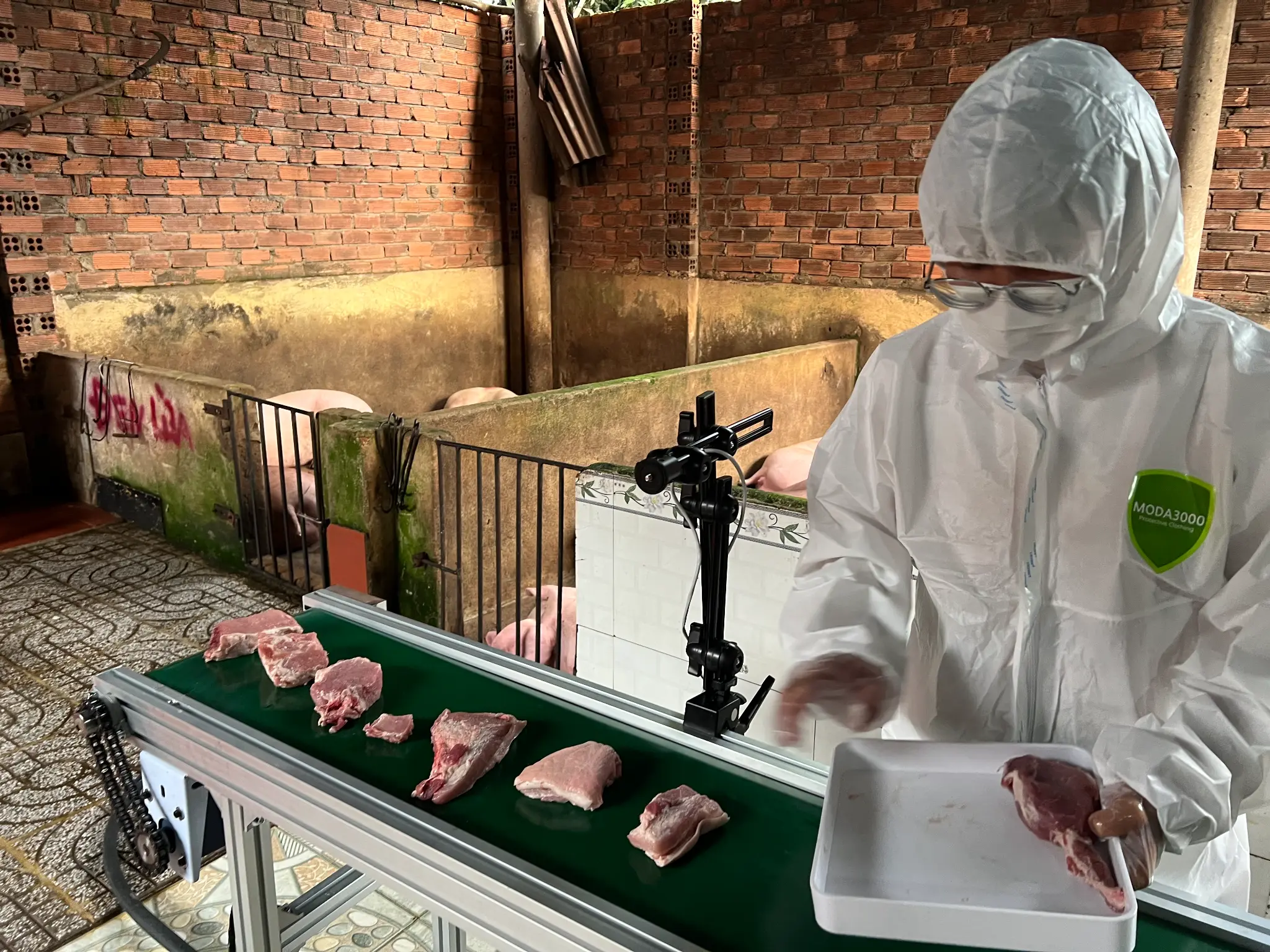
Trackfarm: Smart Farming, Smarter Future.