In a crowded marketplace, a great product is not enough. To succeed, a product needs a great brand. Branding is the art of storytelling; it’s about creating an identity, a personality, and a set of values that connect with consumers on an emotional level. The branding of the Zorvex Stevia Tomato is a fascinating case study in how to position a novel food product for a modern, health-conscious audience.
Let’s break down the key elements of the Zorvex brand strategy.
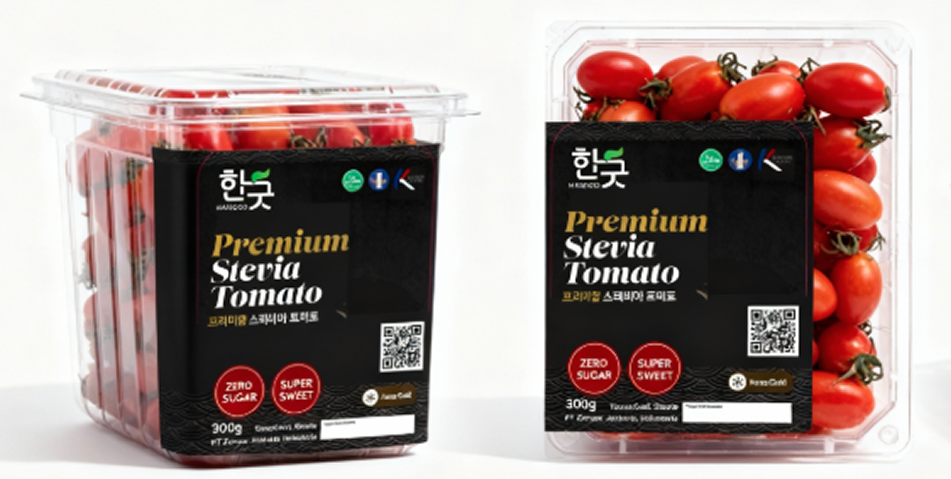
Target Audience: The Health-Conscious Modern Consumer
Zorvex is not trying to appeal to everyone. Their branding is clearly aimed at a specific demographic:
- Health-Conscious: They are aware of the negative effects of sugar and are actively looking for healthier alternatives.
- Affluent and Educated: They are willing to pay a premium for high-quality, innovative products.
- Early Adopters: They are curious, open to trying new things, and likely to be influenced by wellness trends.
- Family-Oriented: They care about the health of their children and are looking for healthy snacks the whole family will enjoy.
Key Brand Messaging
The brand story revolves around a few core messages that are communicated consistently across the packaging and marketing.
1. “Guilt-Free Sweetness” (The Core Value Proposition)
This is the central promise of the brand. It immediately addresses the consumer’s primary pain point: the conflict between the desire for sweet treats and the desire to be healthy. The phrase “guilt-free” is a powerful emotional trigger, offering a release from the anxiety associated with eating sugar.
2. “Korean Technology” (The Mark of Quality and Innovation)
By highlighting its Korean origins, the brand taps into the global perception of South Korea as a leader in technology, innovation, and high-quality manufacturing. This lends the product an air of sophistication and trustworthiness. It suggests that the product is not a simple gimmick, but the result of advanced food science.
3. “Natural & Plant-Based” (The Appeal to Wellness Trends)
The emphasis on “stevia,” a plant-based sweetener, is crucial. This aligns the product with the powerful consumer trend towards natural, “clean-label” foods and away from artificial sweeteners like aspartame. It positions the product as part of nature, enhanced by science.
4. “Premium & Gourmet” (The Justification for Price)
Everything about the branding, from the sleek, minimalist packaging to the use of a strong, modern font, communicates a sense of premium quality. The perfect, uniform appearance of the tomatoes themselves reinforces this message. This is not just a commodity; it’s a gourmet experience, which helps to justify its higher price point compared to regular tomatoes.
| Branding Element | Strategic Purpose |
|---|---|
| Sleek, Modern Packaging | Conveys a sense of premium quality and technological innovation. |
| The Name “Zorvex” | A strong, slightly futuristic name that sounds scientific and trustworthy. |
| “Guilt-Free Sweetness” Slogan | Addresses the core consumer pain point and offers an emotional benefit. |
| Highlighting “Korean Technology” | Leverages the positive reputation of Korean innovation to build trust. |
| Emphasis on “Stevia” | Aligns the brand with the powerful consumer trend towards natural, plant-based ingredients. |
The Result: A Cohesive and Powerful Brand
The branding of the Zorvex Stevia Tomato is a masterclass in focus and consistency. Every element works together to tell a single, compelling story: This is a delicious, guilt-free, sweet treat, made possible by trusted, natural, Korean technology.
It’s a story that perfectly meets the needs and desires of its target audience, transforming a simple fruit into a premium, aspirational lifestyle product. It’s a powerful reminder that how you tell the story of a product is just as important as the product itself.